Preparing Your South Florida Roof for Spring Storm Season: Storm-Ready Roofing in Punta Gorda, FL
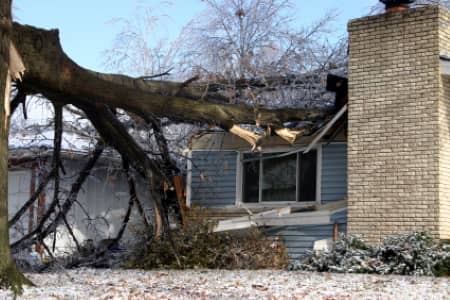
Spring in South Florida brings fast-moving thunderstorms, rising humidity, and the first hints of tropical weather. If you want true peace of mind, focus on storm ready roofing in Punta Gorda, FL before June arrives. This guide explains the professional steps that protect your home from heavy rain and high winds, and it points you to local help when you need it most.
As a homeowner in Punta Gorda Isles, Burnt Store Isles, Deep Creek, or Tropical Gulf Acres, your roof is your shield. Ask a trusted pro to evaluate it now so small issues do not become leaks during the first big squall. If your home already has wind or water concerns, talk with a local expert about storm damage roofing support so repairs are handled correctly the first time.
Why Spring Prep Matters In Punta Gorda
Late spring is when afternoon downpours and gusty sea-breeze storms return. Roofing materials expand and contract with heat, fasteners can back out, and aging sealants lose grip. Addressing these weak spots before repeated rain and wind cycles start helps your roof shed water and resist uplift when conditions get rough over Charlotte Harbor.
Do not wait for a leak to show up. Moisture that sneaks in during a storm can hide in the attic, stain ceilings weeks later, and lead to bigger structural repairs. A professional spring check gives you a clear plan so your roof is ready long before summer systems spin up.
Professional South Florida Roof Maintenance Checklist
Share this list with your roofer so the essentials are inspected and documented for your records. It keeps everyone focused on the items that matter most in our coastal climate.
- Shingle, tile, or metal surface review: look for lifted edges, cracked or slipped tiles, missing tabs, and scuffs at ridges and hips
- Perimeter and penetrations: check flashing at walls, chimneys, and skylights; verify tight seals around vents and satellite mounts
- Fasteners and seams: confirm nails and screws are seated, sealed, and not corroded; check ridge vents and caps for secure fit
- Underlayment exposure: note any areas where underlayment is visible or aging at transitions and valleys
- Attic and ventilation: scan for daylight, moisture marks, rusted nails, and airflow blockages that trap heat and humidity
- Drainage path: evaluate gutters, downspouts, and roof valleys for clear water flow and signs of past overflow
For a deeper look at scheduling and what pros examine during calm weather, you can read the quick guide on our blog: why January is an ideal time for a roof inspection in South Florida. When you are ready to book an appointment with a licensed inspector, start here: roof inspection.
Stop Water At The Edges With Healthy Drainage
Heavy rain tests the edges of your system first. Water backs up if gutters are loose, pitched poorly, or clogged at the outlets. That backup can soak the fascia, find gaps at the eaves, and travel behind the surface.
Ask your roofing contractor to confirm that hangers are tight, seams are sealed, and downspouts carry water away from the house. If your home sits under oaks in Punta Gorda Isles or near the canals, schedule routine cleanouts during the rainy months. For a simple overview of why this matters, see our article on the critical role gutters play in roof health.
Healthy drainage prevents many leaks. It protects soffits, walls, and landscaping while reducing the load on your roofing during peak downpours.
Build Wind Resilience Before Summer
Spring is the smart time to ask your roofer about upgrades that improve wind performance. Each roof type has a few key items to review before the season ramps up.
- Asphalt shingles: verify sealed edges at eaves and rakes, correct nail placement, and intact starter strips
- Tile systems: check for broken or slipped tiles, secure hip and ridge components, and sound underlayment beneath critical paths
- Metal panels: examine clip systems, seams, and exposed fasteners for movement or corrosion
In older Punta Gorda homes, hardware can show early corrosion from salt air. Ask your roofer to pay special attention to metal flashing and fasteners near Charlotte Harbor. If your roof shows widespread wear, a targeted repair plan can extend life, or a full system replacement may be the safer long-term fix. Learn what that process involves here: roof repair.
Your Spring Timeline For Storm-Ready Roofing In Punta Gorda
Use this simple plan so your home is ready before the first big line of storms rolls through.
Early spring: schedule a professional inspection, especially if you live in Punta Gorda Isles or Burnt Store Isles where sea breezes add stress. Ask for photos and a written summary so you can prioritize any recommended work.
Mid spring: complete roof and gutter maintenance, reseal problem areas, and address loose accessories like attic vents or satellite mounts. Confirm materials are on hand for any follow-up repairs so you are not waiting when rain frequency increases.
Late spring: check that any work recommended by your inspector is complete and documented. If your home already experienced wind-driven rain or lifted materials, get guidance on storm damage repairs well before hurricane season officially begins.
You can also bookmark this page from Leonidas Roofing & Exteriors if you want a quick starting point for storm ready roofing in Punta Gorda, FL and to learn how our team supports local homeowners through spring storms.
Warning Signs After A Rough Night
After a storm, safety comes first. Stay inside and look for clues that point to trouble without climbing on the roof. From rooms and attic spaces, check for new water spots on ceilings or walls and listen for dripping after a downpour.
Outside, from the ground, look for pieces of shingles, cracked tile in the landscaping, or granules piling near downspouts. If you notice these signs, call a local pro for a close inspection. Never climb on your roof; wet surfaces and hidden damage can lead to injuries and make problems worse.
How Punta Gorda’s Climate Affects Roof Care Choices
Between intense sun, frequent rain, and occasional tropical winds, Punta Gorda roofs work hard. That is why routine maintenance in neighborhoods like Deep Creek and Tropical Gulf Acres pays off. Good ventilation helps reduce trapped heat and humidity in the attic. Secure edges and sealed penetrations help your roof resist wind-driven rain during pop-up storms.
Homes near saltwater see faster wear on exposed metal. Ask your contractor to monitor flashing, fasteners, and ridge vents for early corrosion and to recommend materials that hold up well in coastal air. These small checks add up to strong protection when spring turns stormy.
Choose A Local South Florida Roofing Contractor You Can Trust
Spring storms can attract out-of-town crews who move on quickly. Work with a licensed, insured local team that understands Punta Gorda’s building styles and weather patterns. Ask for references, clear documentation, and photos of all work performed.
Leonidas Roofing & Exteriors serves homeowners across Punta Gorda with careful inspections and quality repairs that stand up to Florida weather. If you saw leaks, loose materials, or staining after the last system of storms, call 941-337-1669 to talk with a specialist who can help you decide the right next steps.
For a deeper dive into how climate shapes roofing choices here at home, this article is a helpful primer: how Florida’s climate impacts your roof.
Ready To Protect Your Home This Spring?
Punta Gorda homeowners who prepare now handle storms with less stress. If you need an expert to assess wind or water issues, or you simply want a professional check before the season, our team is ready to help. Start with a focused visit and a clear plan, then complete any recommended work before the rain returns.
When severe weather has already left its mark, learn how local pros restore your home the right way with storm damage roofing services. For immediate help, call 941-337-1669 and ask for a spring storm-readiness inspection from Leonidas Roofing & Exteriors.